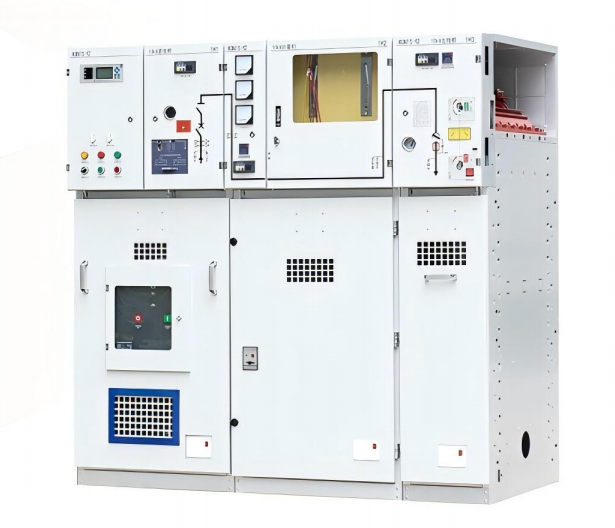
Capacitors installed in power distribution cabinets are core power quality components, with their primary function being reactive power compensation. In plain terms, they optimize electricity usage, cut power waste, stabilize voltage levels, and bring multiple economic and operational benefits to the whole electrical system. Below is a detailed breakdown of their key functions:
1. Reactive Power Compensation (Core Function)
All inductive electrical equipment connected to the cabinet, including electric motors, transformers, AC contactors and air compressors, consumes a special type of power called inductive reactive power. This reactive power does not create mechanical work but occupies extra capacity of power lines and transformers.
Capacitors produce capacitive reactive power, which counteracts the inductive reactive power generated by loads. This raises the system’s power factor (marked as cosφ). Power supply authorities impose fines on factories or facilities with an excessively low power factor; properly configured capacitors can avoid such penalties and directly lower monthly electricity bills.
2. Stabilize Voltage and Optimize Power Quality
When large amounts of reactive power flow through wires, significant voltage drop occurs along power cables. This leads to unstable bus voltage inside the distribution cabinet, making motors run weakly and sensitive electronic devices malfunction.
After capacitors compensate reactive power, the idle power circulating on wires is greatly reduced. Voltage loss is minimized, keeping the cabinet’s main bus voltage steady within the standard range. This creates a consistent, high-quality power supply for all downstream machines.
3. Cut Power Line Losses and Boost Transformer Capacity Utilization
Low power factor causes larger total current to flow through cables, circuit breakers and transformers. Greater current generates extra heat on conductors, resulting in substantial energy waste known as copper loss.
By lifting the power factor, capacitors shrink the overall operating current. Cable heating and energy loss are significantly reduced. Meanwhile, transformers no longer waste their rated capacity carrying useless reactive power, so they can safely support more production equipment without needing upgrades.
4. Protect Electrical Equipment and Extend Service Life
Persistent overcurrent from poor power factor produces continuous overheating in cables, switches and transformers. Long-term high temperature accelerates insulation aging, increasing risks of short circuits, burnout and unexpected shutdowns.
Capacitors reduce operating current and heat buildup, easing thermal stress on all electrical components in the cabinet. They also mitigate sudden power fluctuations caused by inductive loads, lowering mechanical and electrical impact on devices and effectively extending the service life of wires, switches and transformers.
Brief Overview
To put it simply, capacitors in power distribution cabinets act as an all-in-one energy-saving regulator for industrial power systems. They offset useless reactive power, raise power factor, cut electricity costs, stabilize grid voltage, reduce line heat loss, maximize transformer output and protect the whole set of electrical equipment.