A withdrawable circuit breaker is a medium‑voltage switching apparatus fitted onto a movable metal trolley carriage. Typically rated at 10kV or 35kV, the whole breaker unit can be manually rolled into or pulled out from its matching switchgear compartment just like a pull‑out drawer. Equipped with vacuum arc‑extinguishing chambers and spring operating mechanisms, it serves three core functions: switching circuit on/off under normal working conditions, automatically cutting off fault current during short circuit or overload, and creating a visible isolation gap for equipment overhaul. Its prominent strengths include reliable electrical isolation, quick equipment replacement, and convenient offline functional testing without shutting down the whole connected power system.
Where is it usually installed?
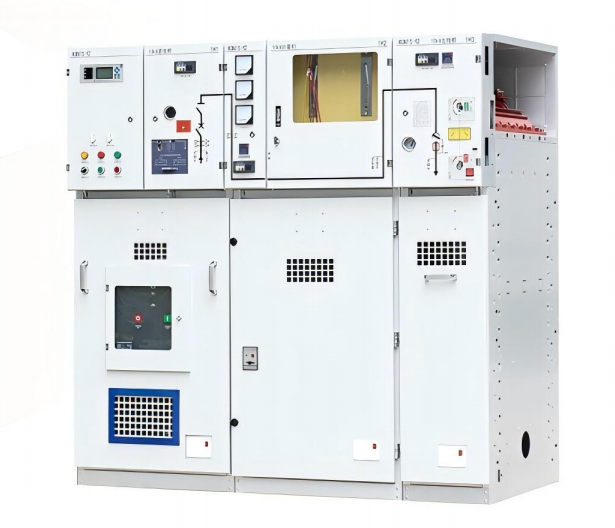
Withdrawable circuit breakers are specially designed for withdrawable-type medium-voltage switchgear cabinets, the mainstream applicable cabinet models are listed below:
- KYN28A‑12: The most widely adopted indoor metal‑clad withdrawable switchgear for 10kV power systems, commonly applied in industrial plants, residential district power distribution stations and conventional substations.
- KYN‑24 / KYN‑35 series: Custom-designed KYN type switchgear for 24kV and 35kV medium-voltage power grids, also configured with matching withdrawable breaker trolleys.
- Partial XGN fixed-style cabinets: Certain improved XGN box switchgears reserve installation space for modified withdrawable circuit breakers as an alternative arrangement.
- Traditional GG‑1A switchgear: An outdated older cabinet type that once used withdrawable breakers, which is being phased out and replaced by modern KYN series cabinets in most new power projects.
To sum up, withdrawable circuit breakers are predominantly configured inside 10kV~35kV withdrawable high‑voltage switchgear, extensively deployed in power substations, manufacturing workshops, commercial complexes and community high‑voltage distribution rooms across power distribution networks.