Ring Main Unit (RMU) is key compact switchgear for urban and industrial power distribution. Its insulation medium determines the equipment’s size, environmental adaptability, operational safety and maintenance requirements. The mainstream RMUs are classified into three types: air insulation, SF6 gas insulation and solid insulation, with distinct performance and application characteristics as follows.
1. Air Insulated RMU
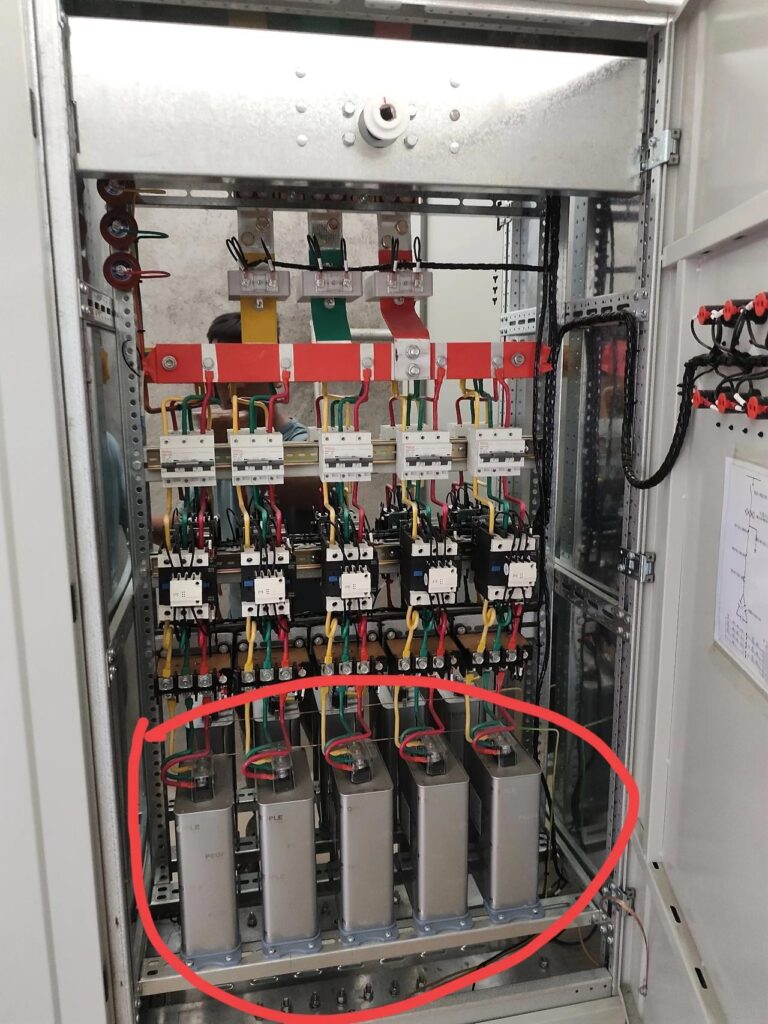
Air insulated RMU is the most traditional type, which uses ambient air as the insulation medium for internal busbars and live components without sealed or encapsulated structures.
Advantages
- Simple structure with fewer mechanical parts, low failure rate and high operational stability.
- Low manufacturing and procurement costs, with no requirement for special insulating media or sealing components.
- Intuitive internal structure, enabling convenient routine inspection, cleaning and component replacement with no professional equipment needed.
- Completely pollution-free with zero risk of medium leakage, achieving eco-friendly operation.
Disadvantages
- Air has low dielectric strength, requiring large internal insulation clearance and resulting in bulky overall size and large floor space.
- Open structure exposes internal parts to the atmosphere, leading to poor resistance to dust, moisture and corrosive contaminants.
- Prone to condensation in high-humidity environments, which may cause insulation degradation and flashover faults.
Application Scenarios
Suitable for indoor dry environments, ordinary residential districts and conventional industrial projects with sufficient installation space and limited budget.
2. SF6 Gas Insulated RMU
SF6 gas insulated RMU is the most widely used mainstream type in the power industry. It adopts a fully sealed metal enclosure, with internal high-voltage components insulated and arc-extinguished by high-purity SF6 gas.
Advantages
- SF6 features excellent dielectric and arc-extinguishing performance, greatly reducing insulation distance and enabling compact, miniaturized equipment design.
- Fully sealed cabinet achieves IP67 high protection grade, effectively isolating dust, moisture, salt fog and corrosive gas.
- Strong environmental adaptability, capable of stable long-term operation in high-temperature, humid, coastal and other harsh working conditions.
- Reliable arc extinction reduces component wear, extending equipment service life and operational stability.
Disadvantages
- SF6 is a potent greenhouse gas, posing potential environmental risks if leaked or improperly disposed.
- Professional tools and technicians are required for gas detection, inflation and recovery, increasing maintenance difficulty.
- Higher equipment and comprehensive operational costs compared with air-insulated products.
Application Scenarios
Widely applied in urban distribution networks, underground substations, commercial complexes, coastal and heavy-corrosion industrial areas, occupying the dominant market share due to its balanced performance and cost.
3. Solid Insulated RMU
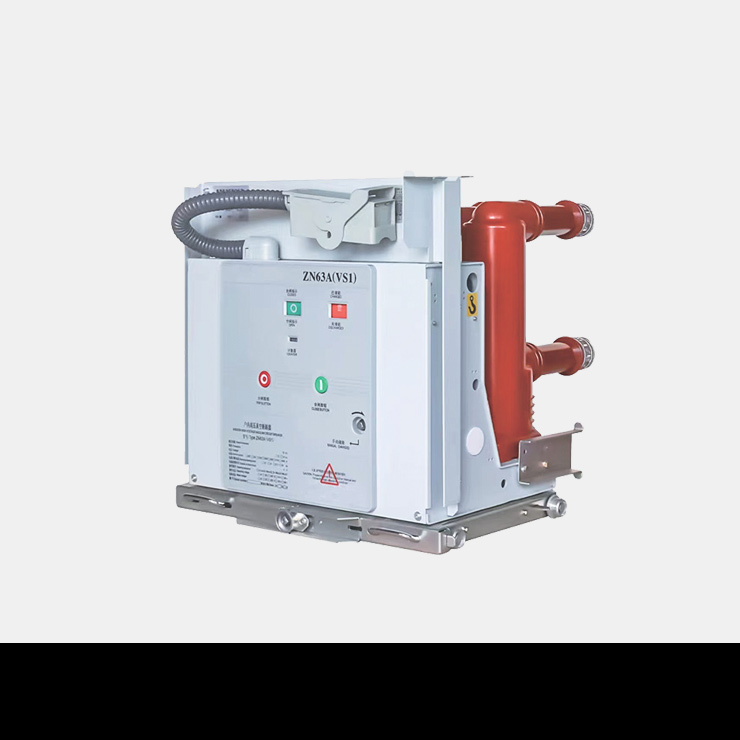
Solid insulated RMU is a new-generation eco-friendly high-end switchgear. It adopts integrally cast high-performance epoxy resin to fully wrap internal live parts, replacing air and gas with solid insulation.
Advantages
- Gas-free and pollution-free, completely eliminating greenhouse gas emissions and leakage risks, compliant with green low-carbon standards.
- Fully encapsulated solid structure isolates live parts thoroughly, with ultra-high operational safety and anti-interference capability.
- Epoxy resin features high insulation strength, excellent temperature resistance and anti-aging performance, unaffected by ambient humidity and dust.
- Maintenance-free throughout the service life, no need for gas management, greatly reducing later operation costs.
Disadvantages
- Precision integral casting process and high-quality materials lead to high manufacturing cost and equipment price.
- Failed components cannot be repaired locally; overall module replacement is required, increasing individual maintenance costs.